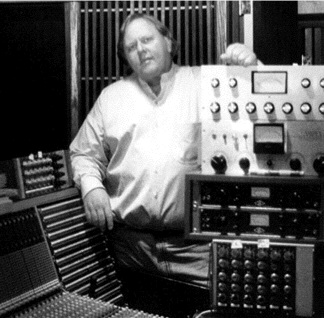
Days of harmonic sound sculpturing (1)
How did we get to accepting compressed audio from open analog clarity?
In the ‘50s and ‘60s outstanding vacuum tube and early class A solid state circuitry existed that today has been totally disinfected from intermodulation distortion and harmonics.
What we lost is very interesting and emotional for those of us who know what we had. For younger listeners they have less of a clue but when they hear it, they love it.
Oldies records from these periods seem to jump out at you with smooth clear top end musical harmonics which are balanced by great engineers and mixing consoles that seemed to add tone rather than force a loss of presents to acquire even an EQ to a voice or instrument.
I see also companies like Vienna Symphonic instruments creating digital virtual instruments that still have richness in tone to maintain harmonics now entering the scene to allow us to return to true composition arranging to re-define our music in a sterol world but the beginning musician creating his alternative rock track will need years to understand what the greats like Mozart, Bach, and others learned about frequency range and placement.
In the ‘60s I was fortunate enough to sit in tube studios and mix my music harmonically with the assist of up to 5% intermodulation distortion while maintaining a clean transient and sound to the ear.
I recently bought and downloaded some old rock, Paul “Revere and the Raiders” which was recorded at Colombia studios on Sunset in the late ‘60s. “Kicks and It’s Just Like You” . I was totally blown away at the clarity and roundness their engineer brought to the table and it reminded me of hearing Beatle recording off tape from that time. Truly candy tones.
Because I worked at a studio which had and eight track and later 16 track two inch machine, I was able to truly understand and reach for much of the earlier tones I have heard.
When I recorded to 8 or 16 track, the musical notes were giant. There was no reason to overdub tons of other instruments to fill harmonic voids to get to a complete arrangement. Harmonics in consoles made every note a playground for echos and effects. A single guitar line or vocal was hugh.
I found myself as an engineer not listening to frequencies and worrying about technical aspects of the music but blending, shaping or sculpture the harmonics.
The tube consoles made this possible.
Today I agonize to find a final tone with my digital mixes.
I can do it but it takes forever. You can easily loose the flow as you constantly readjust eq’s, dynamics and effects to squeeze out the tone and finally arrive at the mix.
MP3? Strangely, if I have done my processing properly, it still still resembles the mix to me although smaller but the work load to get there is 100 times greater than the old days and the knowledge of the digital process would bog down any creative person in frustration.
Bring on the most patient engineers because that is what you will require most to get there.

Where did the sound go?
Wednesday, November 15, 2006